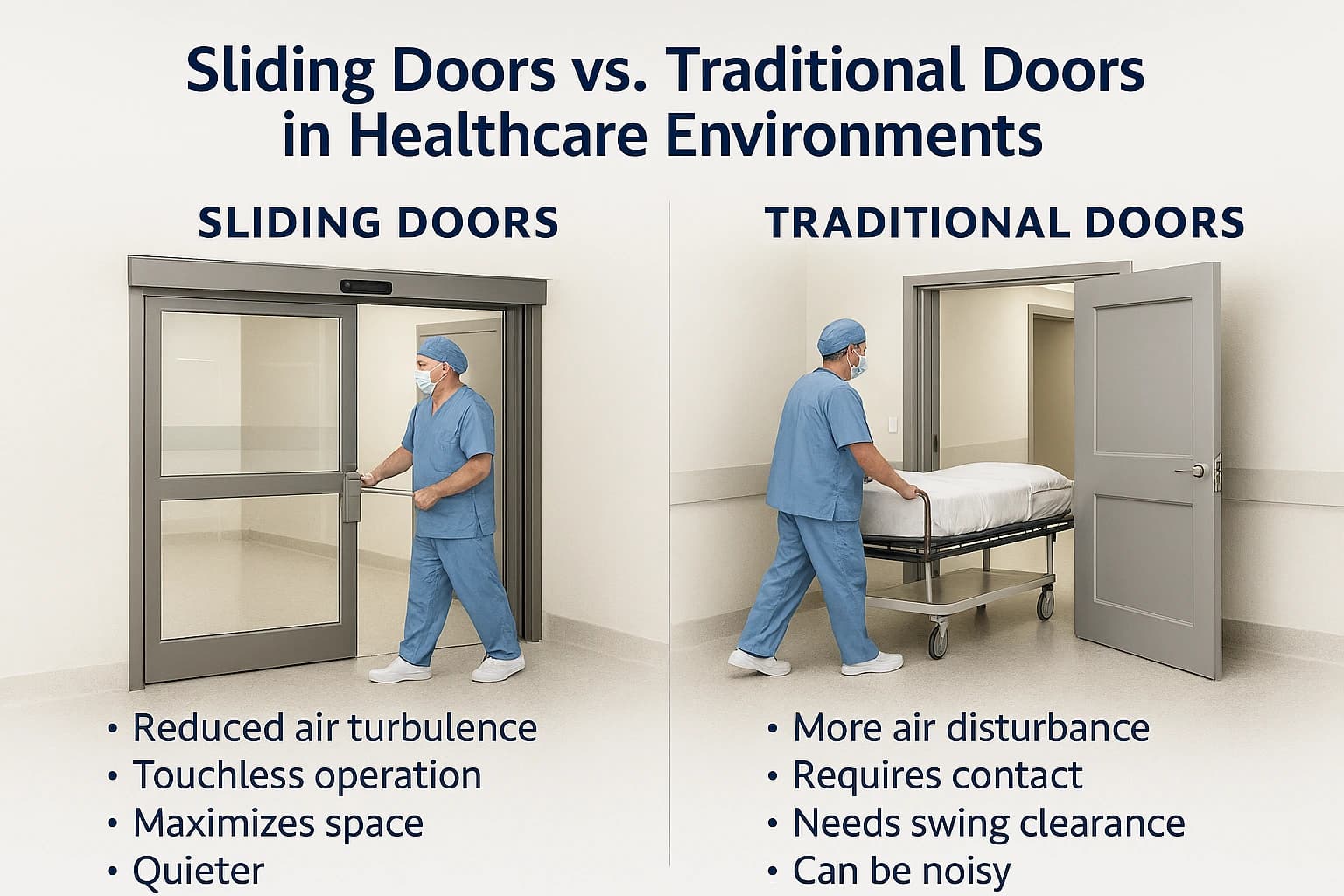
Sliding Doors vs. Traditional (Hinged) Doors in Healthcare Environments
Healthcare‑specific comparison of sliding doors vs. traditional (hinged) doors, grounded in infection control research, safety codes, and healthcare design standards
We hate spam too and promise to respect your inbox.

Healthcare‑specific comparison of sliding doors vs. traditional (hinged) doors, grounded in infection control research, safety codes, and healthcare design standards

Small‑ to medium‑sized architectural firms (SMAs) are often systematically underrated in healthcare architecture, not because of a lack of skill or insight, but because of structural, economic, and cultural forces that shape how healthcare projects are procured, evaluated, and perceived. Below is a clear, candid breakdown of why this happens—and why the perception often doesn’t match reality.

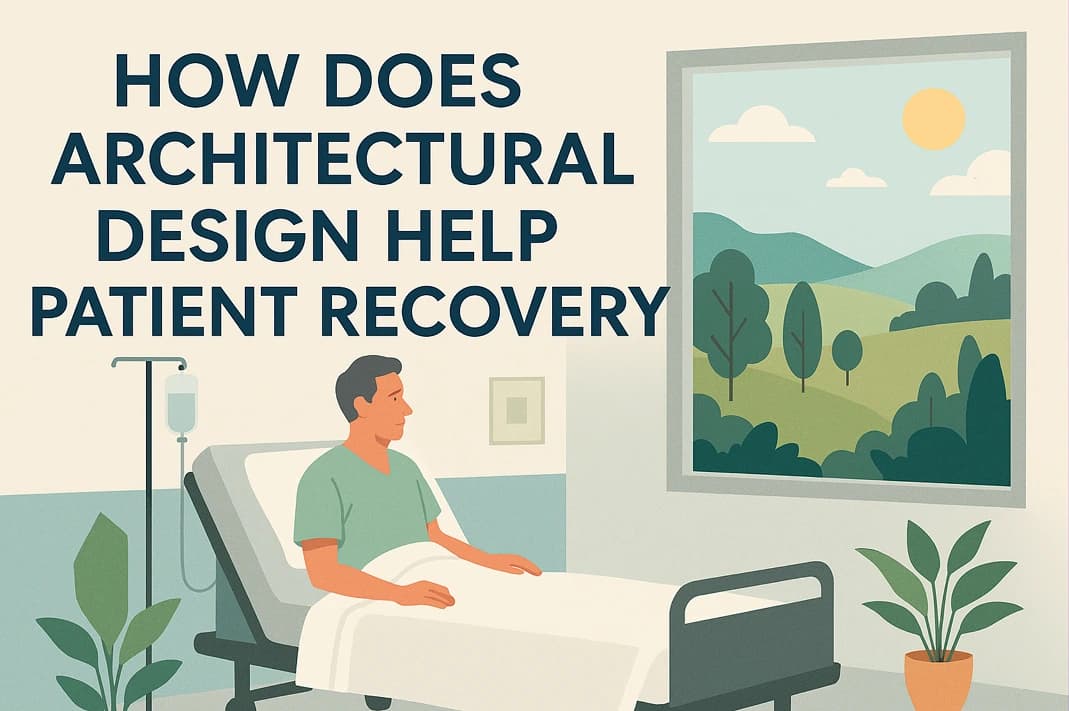
Architectural design can play a powerful role in supporting patient recovery by shaping the physical and psychological conditions in which healing takes place. Research from healthcare design, environmental psychology, and medicine shows that well-designed spaces can reduce stress, improve clinical outcomes, and enhance overall well‑being.

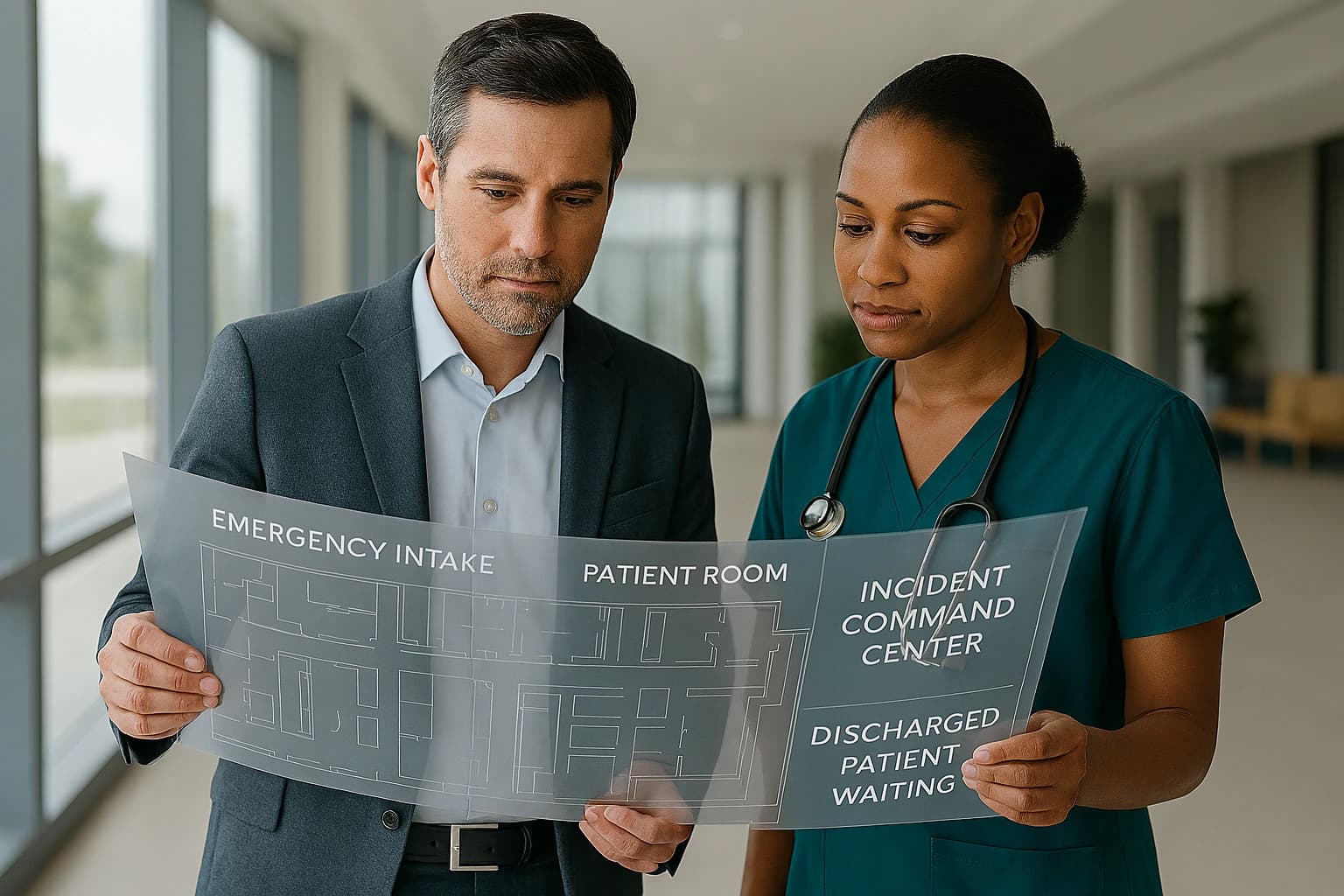
The 2026 FGI Facility Code is more than a routine update, it’s a signal that healthcare architecture is being asked to solve operational reality: throughput, behavioral health, emergency readiness, and distributed care. Here’s what to prioritize now to reduce risk, protect budgets, and keep projects moving.

Altus Partner Evan Lamprecht has been recognized as a 2025 Midlands Business Journal 40 Under 40 honoree, highlighting a leadership style built on collaboration, community involvement, and healthcare design that supports the people delivering care.
Join 100+ healthcare organizations who trust Altus to design spaces that improve patient outcomes.